We have a responsibility to listen to you all the way to the end of what you’re saying. And so you should make that as easy as possible for us.
Not I-agree-with-everything-you’re-saying easy or there’s-nothing-challenging-about-your-ideas easy, still less making-easy-appeals-to-my-emotions easy, but interesting easy, engaging easy, you-have-put-your-life-into-this easy.
Put the good stuff at the beginning. Don’t make us sit through minutes of prolegomenon setting up some big reveal; that narrative arc doesn’t work anymore. Get good fast and stay good.
Avoid detours. They’re distracting for us and dangerous for you. There are slightly off-color remarks that way, and many the undisciplined speaker have tripped on them. Stay on target.
This thing you’re listening to sounds a lot like something you’ve heard before, and the visuals resemble the presentation you heard six months ago, and it’s the same person talking. This again.
But why not listen to the end and see if there isn’t some novel gem hiding in the familiarity? There may be a new learning there, even a revelation, and if you tune out early because, well, you’ve heard this before, you could miss it.
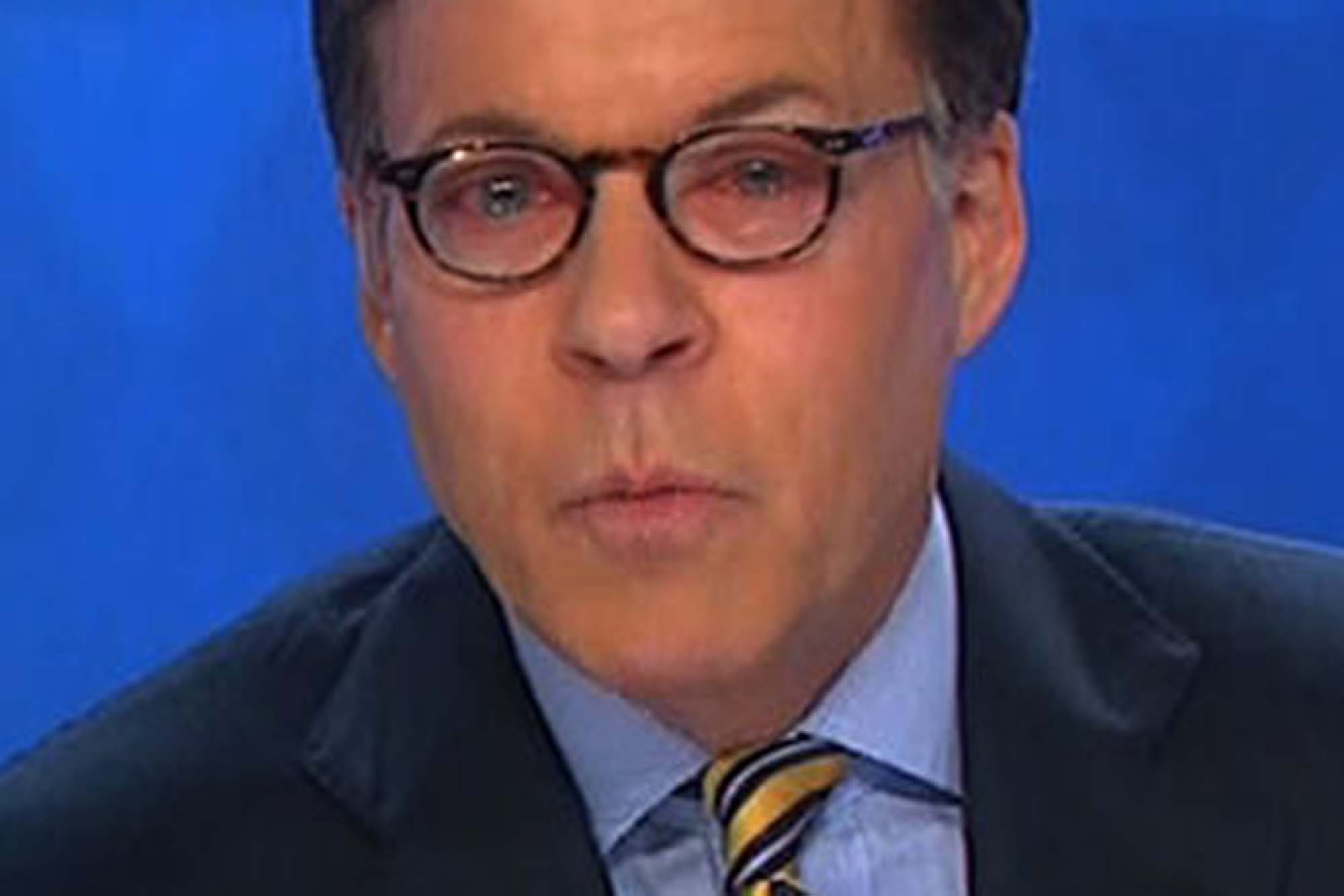
The superlative honor I was given by my high school newspaper mates was “Most Likely To Replace Bob Costas.”
A part of that prediction is being fulfilled today, but it has nothing to do with sports. Rather it has to do with red swollen eyes during a public event where you have to address people.
A big part of me wants to hide in the hotel all day. Can’t do that, though. Sunglasses would be too conspicuous. No, the only thing is to charge into the thing and pray for some relief along the way.
Somebody needs to lead here, and you’ve just been given permission. What do you do with it? It’s tough, because you don’t know enough to lead well; you were tapped to lead only moments ago, and the thing they’ve asked you to lead is really important to the people working on it.
So play dumb. Leadership is public curiosity.
Ask the questions that you’re afraid are stupid and that you’re sure nobody else is wondering about. Ask them out loud. It’s happened often enough to be a near guarantee: others are sitting silently with the same questions. So the one who cares more about learning than about their image, the one who asks out loud first, that one gets to lead.
Also, your curiosity (if it’s in earnest) probably won’t be taken for ignorance. It will more likely be received as interest.
How will we know if NEXT Church 2015 was a success?
There will be over 600 people there. Is that success? There’s a program full of recognizable names–preachers, speakers, and workshop leaders who are considered “experts” at what they do. Is getting them success?
Maybe you only know if gatherings like this worked much later, when people who were there trace their transformation back to it as the moment they learned something new or started important relationships or made a vocational decision or encountered God’s grace. Maybe if enough people do that it worked on a church-wide scale.
Evaluations will tell you if your thing worked as a thing: was the food good? Did the content connect with peoples’ expectations and experience? Was your communication clear? But we want our thing to move the needle in ways that don’t show up on evaluations. How do we know if that’s happened/ing?
Now my third question: what will be the impact of young adults?
The Mainline Protestant landscape is largely absent people in their 20’s, a fact that has been analyzed by multiple studies. The Presbyterian Church (USA) is not exempt from this reality, but it boasts a Young Adult Volunteer (YAV) program that each year commissions young adults to a year of service in a couple dozen sites in the U.S. and across the world. The PC(USA) is crawling with recent college graduates eager to impact the world, then. They’re just not in congregations.
NEXT Church national gatherings have featured young voices from the beginning, and I wonder if this one won’t do that to a greater extent than before. A Young Adult Volunteer is on the planning team and has already shaped much of what will happen. McCormick Theological Seminary’s innovative Center for Faith And Service will be on hand in the person of the incomparable Wayne Miesel, who has done more than anyone to shape the church’s thinking about ministry with young adults. One of the seven Ignite presentations will feature a trio of YAVs (see their pitch below).
Young adults–including those in seminary–will have lots of opportunity next week to connect, share, and even organize around their vision for the next embodiment of the Presbyterian Church.
There’s a YAV from my congregation coming next week at my insistence, so I’ve obviously got high hopes that NEXT Church 2015 will provide her and her peers with both an imaginative environment for discerning their place in the PC(USA) and a platform to constructively shape its future.
Will this gathering equip non-pastors to lead in the church?
There will be significant leadership at this event from educators, non-profit executives, and entrepreneurs. NEXT has always lifted up the importance of Ruling Elder leadership, ever since the first gathering in Indianapolis, when the late Cynthia Bolbach–herself a Ruling Elder and General Assembly Moderator–pointed out the overwhelming majority of Teaching Elders (pastors) in attendance.
Are we getting closer?
George Srour is a Ruling Elder from Indianapolis who will describe the organization he’s built that is constructing school all over Africa.
Anita Ford is an elementary school principal who will help explain how her school partnered with a church to create a children’s music program. Charles Kerchner, an academic who specializes in public education, will also be part of that presentation. Charles is one of five Ruling Elders coming from the congregation I serve.
Bill Habicht is a pastor, but he calls himself a “common good and social media conspirator,” and he spends a lot of time working with non-pastors to form things like art collectives and coffee shops.
It certainly feels like a opportunity more attuned to the particular leadership gifts of those for whom ministry is not their job, so I’m eager to see what all the non-pastors will do with it. How many do you know who are coming?
I’ve enjoyed blogging about past NEXT Church gatherings, for example here, here, and here.
This week I’m sharing four questions I’m bringing with me to my favorite annual gathering of Presbyterians [full disclosure: I helped plan this one].
So, my first question:
The fouled up racial reality of the American context is more clearly in focus today than it has been for years, at least as measured by the mainstream media discourse. Michael Brown and Eric Garner are household names, and #blacklivesmatter is necessary to state now. How will the urgency of racial justice inform what happens next week?
A colleague shared this in an email yesterday:
I still have my same concerns about the church in general and about NEXT in particular. The events of the past six months, especially events around Ferguson, have even heightened my sense of concern for organizations that are predominantly led and and membered by privileged white people, including organizations like the PC(USA) and NEXT Church. I’ll be interested to see if your conference makes any movement this year compared to the last several years I’ve attended.
One way to measure movement toward racial justice in a gathering like this is by looking at who’s up front. NEXT has always work hard at diverse racial representation among its leadership, even if the PC(USA) is a mostly white palette from which to draw.
Among others, this year’s gathering will hear from Chineta Goodjoin, the Organizing Pastor of a new African-American church in Orange County, as well as Tiffany Jana, who heads a consulting firm with her husband Matt that helps organizations harness the power of diversity (watch her TED Talk below).
Some Sundays the foot you put forward got stepped on Saturday night and you limp all day.
Lean into that limp. Compensating for it won’t make it hurt less, and you’re likely to injure your good foot. Do the best work 1 and 1/2 will allow. Know that you can’t push off like you want to today. Something will have to give: grace, the groceries, that phone call, kindness.
You’re not making excuses. You’re injured. You’ll be better next Sunday.

 YoRocko!